
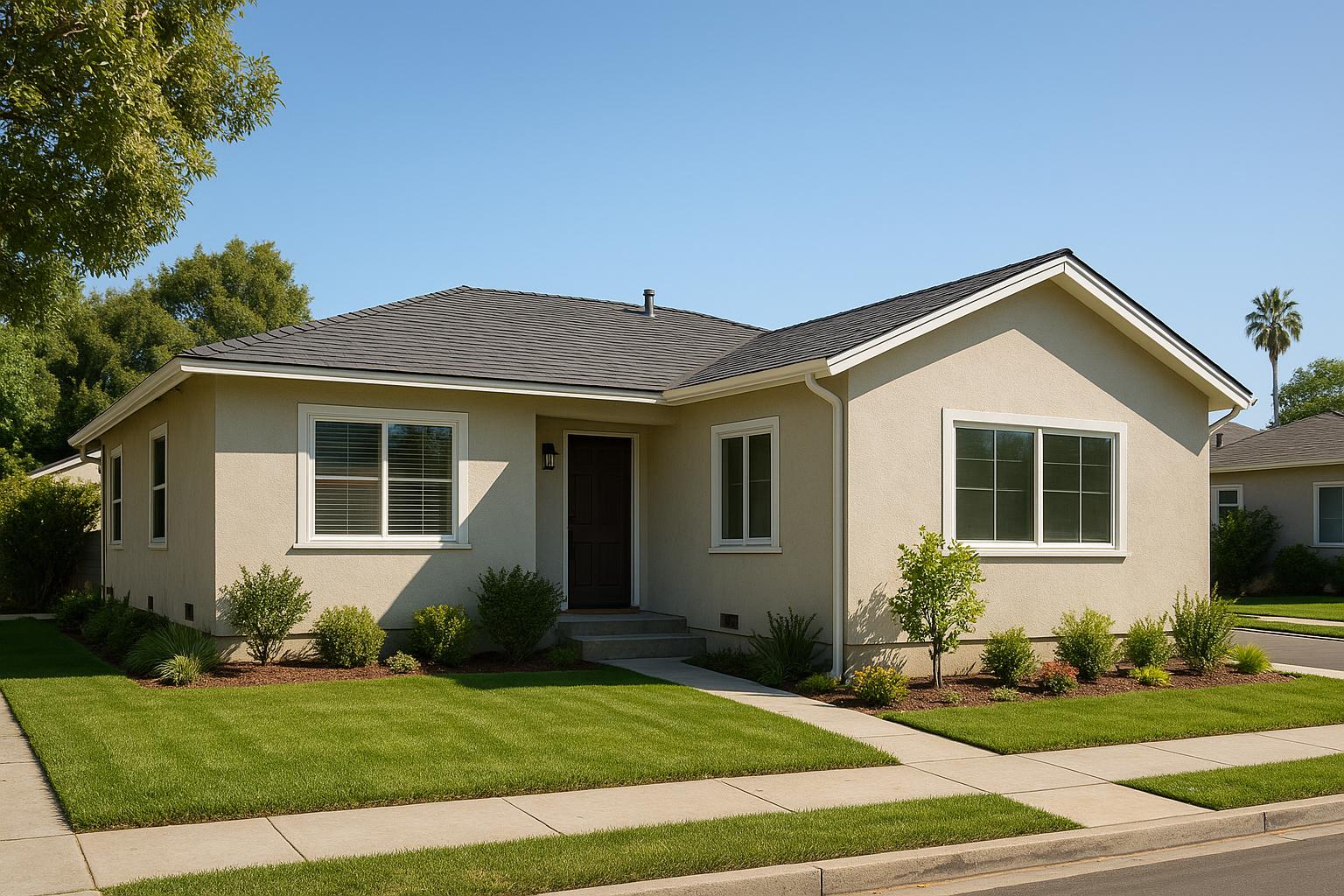
Why San Diego Homeowners Are Adding Rooms Instead of Moving
San Diego's housing market has made moving an expensive proposition. Between rising home prices, higher mortgage rates, and the sheer cost of relocating, many homeowners in neighborhoods like Scripps Ranch, Poway, and Rancho Bernardo are choosing to expand the homes they already love rather than start over somewhere new.
A well-planned room addition can give your family the space it needs — whether that's a home office, an extra bedroom for a growing family, or an in-law suite for aging parents. But without careful planning, costs can spiral quickly. Here's how to approach a room addition project with your eyes open and your budget intact.
Start With the "Why" Before the "What"
Before you sketch floor plans or browse Pinterest, get crystal clear on why you need more space. The purpose of the addition will shape every decision that follows, from the size and layout to the materials and finishes you choose.
- Home office or studio: You may need fewer square feet than you think, but you'll want dedicated electrical circuits, good lighting, and sound insulation.
- Extra bedroom or guest suite: Consider whether you need a full bathroom attached, closet space, and how the addition connects to the rest of the home.
- In-law suite or ADU: San Diego has specific regulations for accessory dwelling units. These projects often require separate entrances, kitchenettes, and compliance with additional building codes.
- Family room or entertainment space: Think about flow — how will people move between the new room and existing living areas?
Defining the purpose upfront prevents scope creep, which is the single biggest reason room additions go over budget.
Understand San Diego's Permitting and Zoning Requirements
One of the most overlooked steps in planning a room addition is understanding what your local municipality will and won't allow. In San Diego, you'll need to account for several factors before construction can begin.
Setback Requirements
The City of San Diego requires minimum distances between your structure and property lines. These setbacks vary depending on your zoning designation, and they can significantly affect where and how large your addition can be.
Building Permits
Any structural addition to your home requires a building permit. This isn't optional — unpermitted work can create serious problems when you try to sell your home, refinance, or file an insurance claim. A reputable contractor will handle the permit process for you and ensure all work passes inspection.
HOA Restrictions
Many neighborhoods in Scripps Ranch, Mira Mesa, and Rancho Bernardo have homeowners associations with their own architectural guidelines. These may restrict exterior materials, colors, rooflines, and even the size of an addition. Check with your HOA early to avoid costly redesigns later.
Set a Realistic Budget (and Build in a Cushion)
Room additions in San Diego typically range from $200 to $400 per square foot, depending on complexity. A simple bedroom addition will cost less than a room with plumbing, such as a bathroom or kitchenette. Here's a rough breakdown of where your money goes:
- Design and engineering: 10-15% of total project cost
- Permits and fees: Varies, but budget $2,000-$5,000 for most residential additions
- Foundation and framing: 25-35% of total cost
- Electrical, plumbing, and HVAC: 15-20%
- Interior finishes: 20-30% (flooring, drywall, paint, trim, fixtures)
We always recommend setting aside an additional 10-15% as a contingency fund. Even with thorough planning, surprises happen — especially in older homes where opening a wall might reveal outdated wiring or plumbing that needs to be brought up to code.
Design the Addition to Look Like It Belongs
Nothing devalues a room addition faster than making it look like an afterthought. The goal is for guests to walk through your home and never be able to tell where the original structure ends and the new construction begins.
Match the Roofline
The roof is the most visible element of any addition from the outside. Matching the pitch, materials, and style of your existing roof is essential for a cohesive look.
Align Interior Details
Baseboards, crown molding, door styles, and flooring should flow seamlessly from old to new. This is where working with an experienced remodeling team makes a real difference. At Fern Ridge Foundation, we pay close attention to these transitions because they're what separate a professional addition from a DIY-looking one.
Consider Natural Light
San Diego gets over 260 sunny days a year — take advantage of it. Strategically placed windows and even skylights can make a new room feel open and connected to the outdoors, reducing the need for artificial lighting during the day.
Choose the Right Contractor for the Job
A room addition is one of the most complex remodeling projects you can undertake. It involves foundation work, framing, roofing, electrical, potentially plumbing, and coordinating with the city for inspections at multiple stages. This isn't a project for a handyman or a company that primarily does cosmetic updates.
When evaluating contractors in San Diego, look for these qualities:
- Licensed and insured: Verify their California contractor's license through the CSLB website.
- Experience with additions specifically: Ask to see photos and references from past room addition projects, not just kitchen or bathroom remodels.
- Transparent pricing: A trustworthy contractor provides a detailed written estimate, not a vague ballpark number.
- Clear communication: You'll be working with this team for weeks or months. Make sure they're responsive and easy to talk to from the very first conversation.
- Permit management: They should handle all permits and inspections as part of the project scope.
Think About Long-Term Value
A room addition is a significant investment, so it's worth thinking about how it will affect your home's resale value. In San Diego's competitive real estate market, additional square footage generally adds value — but only if the work is permitted, well-constructed, and aesthetically consistent with the rest of the home.
Additions that tend to offer the best return on investment include extra bedrooms with bathrooms, functional home offices, and in-law suites. Highly personalized spaces — like a dedicated hobby room — may not appeal to future buyers as broadly.
Ready to Explore a Room Addition?
If your San Diego home is feeling too small but you're not ready to leave the neighborhood you love, a room addition might be the perfect solution. The key is starting with a clear plan, understanding the local requirements, and partnering with a contractor who will be honest with you every step of the way.
At Fern Ridge Foundation, we help homeowners across Scripps Ranch, Poway, La Jolla, and the greater San Diego area plan and build room additions that feel like they were always part of the home. If you're ready to start the conversation, we'd love to hear about your project.